Introduction
Africa’s technology and business landscape is transforming at an impressive pace. Increasing access to smartphones, affordable internet, and digital tools is connecting millions of people to new opportunities. This rise in connectivity has empowered young entrepreneurs to build creative solutions that address local challenges in finance, healthcare, agriculture, energy, and commerce.
These innovations are reshaping how Africans save money, access medical care, farm, and run businesses. At the same time, investors and governments are paying close attention, providing funding, infrastructure, and supportive policies that strengthen the tech ecosystem.
These three drivers; connectivity, talent, and capital work together to unlock new business models and spark economic growth. As digital adoption continues to rise, Africa is positioning itself as a vibrant hub of innovation, where homegrown technology is improving lives and creating sustainable development across the continent.
Africa’s Digital Transformation Is Accelerating

Over the past decade the cost of internet access and smartphones has dropped while mobile networks and public digital programs have grown. This combination means ordinary people who previously could not go online now can use basic apps for banking, learning, shopping, and healthcare. Digital literacy is rising, especially among young people. Governments are investing in fiber, mobile broadband and national ID/digital services that make online transactions easier and more secure. As a result, entire sectors are adopting digital tools. Schools use e-learning platforms, clinics keep electronic patient records, and shops accept mobile payments. The real effect is the creation of new business models, companies that never needed physical stores can reach customers across regions and informal businesses like market traders can start accepting digital payments and reach new markets.
Real Examples of Digital Progress
Rwanda’s National Broadband Initiative brought high-speed internet to schools, hospitals, and government institutions.
Nigeria’s National Identity Number (NIN) improved digital onboarding for banks, telecoms, and service providers.
Kenya’s Huduma Centres allow citizens to access government services online through a unified platform.
This rapid digital shift has opened up new opportunities for businesses of all sizes. Schools are adopting e-learning platforms, clinics are using electronic health records, shops accept mobile payments, and entrepreneurs are building businesses without physical storefronts.
Fintech
Fintech tackles a huge problem in Africa many people have little or no access to traditional banks, but most have mobile phones. Mobile money platforms let users send, receive and store value using simple phones or apps without requiring a bank account. People can get paid, pay bills, transfer money to family, and run small businesses more efficiently. Fintech also enables lending, savings, insurance and international payments for merchants selling abroad.
For entrepreneurs Fintech reduces friction, starting a business no longer depends on physical cash flow or bank branch access. Some Challenges include regulation, fraud risk, and the need to reach rural and poorer users with simple low-cost services.
Leading Fintech Solutions
- M-Pesa (Kenya) – Allows users to send/receive money without a bank account. It now handles over 50% of Kenya’s GDP in mobile transactions.
- Paga (Nigeria) – Over 20 million users rely on Paga agents to send/receive money.
- Opay (Nigeria) – Popular for payments, ride-hailing, and on-demand services.
- Flutterwave & Paystack – Enable African businesses to accept global payments and scale internationally.
While Fintech faces challenges such as fraud risk, regulation, and the need for simpler rural-friendly services, it remains the backbone of Africa’s digital economy.
E-Commerce and Digital Trade Are Expanding
Online buying and selling has moved beyond major cities, thanks to better digital payments, improved logistics, and greater customer trust. Today millions of small businesses can list their products online and reach customers across regions.
Social commerce is especially powerful in Africa. Many small sellers use:
- Facebook Marketplace
- WhatsApp Business
- TikTok Shops
These platforms help entrepreneurs sell directly without large investments. On the logistics side, startups and courier services are optimizing last-mile delivery using local knowledge, pickup hubs, and informal networks.
For consumers, e-commerce means more choice and often lower prices; for small businesses it’s a path to growth without heavy investment in physical stores. Constraints still include high delivery costs in remote areas, returns handling, and building customer trust where online fraud has been a problem.
Major E-commerce Players
- Jumia – Africa’s largest online marketplace operating in 10+ countries.
- Konga – Popular in Nigeria for electronics and household items.
- Takealot (South Africa) – Leading platform for online retail in Southern Africa.
Agritech
Agriculture employs a large share of Africa’s workforce, so small improvements in productivity and market access have big economic and social effects. Agritech solutions can significantly improve yields, reduce losses, and increase incomes.
Popular tools include:
- Weather and crop advisory apps
- Digital marketplaces connecting farmers to buyers
- Soil sensors and remote monitoring devices
- Drones for land mapping and crop analysis
- Pay-as-you-go financing for irrigation and equipment
By improving information access and reducing middlemen, Agritech makes farming more productive, sustainable, and profitable for smallholders.
Healthtech
Healthtech addresses two big problems and they include lack of access to qualified clinicians in many regions, and poor health information systems. Telemedicine apps let patients consult clinicians remotely for triage and follow-up, which is vital for rural areas. Digital health records improve continuity of care, reduce prescription errors, and enable better planning by hospitals.
Online pharmacies and supply-tracking platforms reduce stockouts. In some places, AI or diagnostic tools help detect conditions earlier or assist overworked medical staff. Healthtech can reduce costs, shorten wait times, and extend specialized care outside major cities.
Renewable Energy and Climate Tech Are Rising
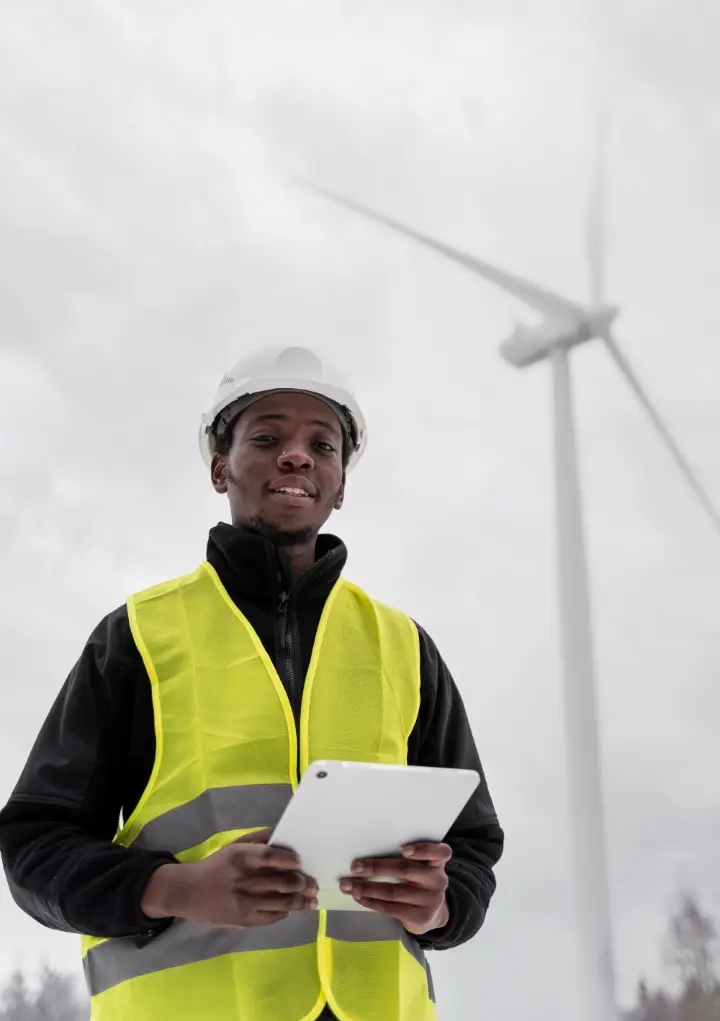
Many African households and small businesses face unreliable grid electricity; solar and off-grid solutions have filled that gap. Pay-as-you-go solar systems allow households to buy energy in affordable installments using mobile money, replacing expensive and polluting diesel generators. For small businesses reliable power means longer hours, new services like refrigeration for food sellers and productivity gains. Climate tech also includes solutions for farming and for reducing emissions.
Renewable projects create local jobs in installation, maintenance and financing. Barriers include financing large-scale projects, integrating distributed energy into grids, and ensuring long-term maintenance and user training.
Challenges Slowing Down Digital Growth
Although Africa’s technology and business ecosystem is growing quickly, several obstacles still slow down development. These challenges do not stop progress, but they make it harder for startups, entrepreneurs, and consumers to fully benefit from the digital economy.
1. High Internet Cost: Internet data is still expensive in many African countries compared to people’s income levels. This discourages many from using online learning platforms, digital banking, e-commerce, or streaming services. It also limits business operations that rely on cloud services, constant connectivity, or remote work. In places where people spend a large percentage of their monthly income on data, digital adoption becomes slow. For instance in rural East Africa, many communities still depend on 2G or slow 3G networks.
2. Unstable Electricity: Frequent power outages interrupt daily life and hurt small businesses that depend on stable electricity. Many startups and tech companies rely on generators or solar backup systems.
3. Limited Startup Funding: Although Africa’s startup ecosystem is growing, funding remains low compared to other regions like Europe, Asia, or the United States.
Many startups struggle to raise early-stage capital because:
- Investors view Africa as high-risk
- Few local venture capital firms exist
- Banks rarely give loans to new entrepreneurs
- Many founders lack investor networks
This shortage of funding prevents good ideas from growing into sustainable businesses.
4. Logistics Issues: Delivering goods across Africa can be slow, expensive, or unreliable due to Poor road networks, Traffic congestion in urban areas, Long distances between rural markets and Complex customs processes for cross-border trade. E-commerce businesses especially suffer because customers expect fast, reliable delivery.
Conclusion
Africa’s digital revolution is being shaped by its unique combination of challenges and strengths. Limited infrastructure and informal markets have inspired creative, practical, and scalable innovations. Meanwhile, Africa’s youthful population, entrepreneurial spirit, and increasing mobile adoption continue to drive growth.
Fintech is expanding financial inclusion, Agritech is improving food production, Healthtech is making healthcare more accessible, and e-commerce is opening new business pathways. As connectivity improves, digital skills increase, and investment rises, Africa is positioned to become a global leader in inclusive innovation.
With the right support and sustained investment, Africa’s digital transformation will not only boost economic growth but also shape a more connected, equitable, and sustainable future for millions.